
The Perfume for the Dress
Redatto in collaborazione con il Dott. Silvio Fattobene
PARFUM POUR L’HABIT
PERFUME FOR THE DRESS
.
This document explains what a “Perfume For The Dress” (“PFTD”) is, how its use differs from that of an ordinary skin perfume, and how to avoid any risks associated with its application.
WHAT IS A “PERFUME FOR THE DRESS”?
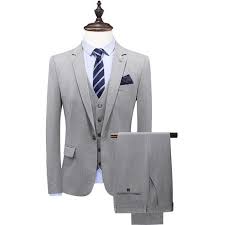
“Perfumes For The Dress” are fragrances designed for use solely on clothing, rather than on the skin, as with ordinary perfumes. They are made with perfumery aromatic raw materials and alcohol.
A “Perfume For The Dress” is not a cosmetic product. It is not intended for skin use; it is a fragrance for fabrics.
WHAT IS A “NATURAL PERFUME FOR THE DRESS”?
A “Natural Perfume For The Dress” is not intended to be used on the skin, but as a scent for the dress. It is made exclusively from natural aromatic ingredients and alcohol and is usually sold in a spray bottle.
Since it is intended for use only on clothes, it can be made entirely of natural essences, which are otherwise limited in skin products by IFRA recommendations due to their allergen content.
Using only natural essences in a fragrance implies a very high-quality olfactory profile, not achievable in an IFRA-compliant product.
HOW IS A NATURAL PERFUME FOR THE DRESS DIFFERENT FROM OTHER PERFUMES?
Perfumes contain synthetic aromas. A “Natural Perfume For The Dress“ does not.
An ordinary skin perfume is a cosmetic product that complies with IFRA’s recommendations on allergens. It can contain only very small amounts of natural essences.
WHAT BENEFITS DOES A “NATURAL PERFUME FOR THE DRESS“ OFFER TO THE CUSTOMER?
Since a “Perfume For The Dress” is meant to be used only on clothing, it can be made entirely from natural essences, whose amounts in skin perfumes are otherwise limited by IFRA’s recommendations for their allergen content.
The advantages of the “Natural Perfume For The Dress“ to the consumer are:
1. Wearing fragrances entirely natural with an exceptionally high-quality scent profile that cannot be achieved in an IFRA-compliant product.
2. Applying the perfume to fabrics significantly extends its longevity, and the fragrance’s development remains smooth from start to finish. Our skin absorbs perfumes, reducing their longevity and altering how scents evolve. Before mass perfumery emerged, perfumes were used on clothing, handkerchiefs, and gloves.
3. A “Natural Perfume For The Dress“ does not present the risk associated with products intended for direct contact with the skin, as it is applied on clothing.
HOW SHOULD A “NATURAL PERFUME FOR THE DRESS“ BE USED?
There are different ways to enjoy this new experience.
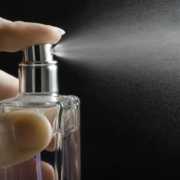
1. To obtain an “impact effect” on others, wear it on your chest by spraying the dress from a distance of 20 cm, or spray it onto an elegant pocket handkerchief or on a foulard.
Using the foulard and handkerchief lets you decide whether to be perfumed by simply removing them. You can also change your scent by switching a foulard or a handkerchief to adapt to different situations.
2. For a “trail in the crowd effect”, apply it on your shoulder dress at the level of people’s noses, and walk into the mob, leaving a trail of fragrance behind.
3. For fascination and seduction, apply it to your sleeves so that the perfume wafts toward your interlocutors like waves of scent as you move your hands while talking.
4. For elegance and chic. We can smell the perfume of their laundry detergent on people’s clothing. A “Natural Perfume For The Dress” can be smelled much better, and its effect is much more elegant and well-received.
CAN A “NATURAL PERFUME FOR THE DRESS“ BE USED AS AN ORDINARY PERFUME ON THE SKIN?
The answer is no unless someone is sure they are not sensitive to any allergens in natural essences. A conscientious producer of “Natural Perfumes For The Dress“ provides the list of these allergens.
IS A “NATURAL PERFUME FOR THE DRESS” BETTER THAN AN ORDINARY PERFUME?
Making perfumes is similar to cooking. As a perfumer, I can tell you what any chef would say about food: the quality of your product mainly depends on the quality of your ingredients.
People’s tastes and sensitivities differ. Some might prefer the smell of synthetic perfumes. Give children a strawberry ice cream with artificial Flavors, and they’ll probably choose it over a natural strawberry one. The synthetic aroma is much stronger and, therefore, more appealing. However, the superiority of natural essences over chemicals used in commercial perfumes is clear. Their price reflects this. How can a real rose essence cost a thousand times more than a chemical one and still be in short supply each year because of high demand from major perfume brands? The answer is obvious: it is a thousand times better than the artificial one.
HOW CAN YOU IDENTIFY A “NATURAL PERFUME FOR THE DRESS “?
It is immediately recognizable from the label on the bottle, it says “Perfume For The Dress”, and if the perfume is natural, it should say “Natural Perfume for the Dress”.
WHAT ARE THE ALLERGENS CONTAINED IN A “NATURAL PERFUME FOR THE DRESS”?
For a “Natural Perfume For The Dress“, the list of allergens typically includes 16 aromatic molecules found in natural aromatic raw materials that IFRA considers allergens. Although it is not intended for direct skin use, it is still recommended to avoid use if you are allergic or sensitive to any of the listed allergens.





Leave a Reply
Want to join the discussion?Feel free to contribute!