
Why are there components with chemical names even in natural perfumes?
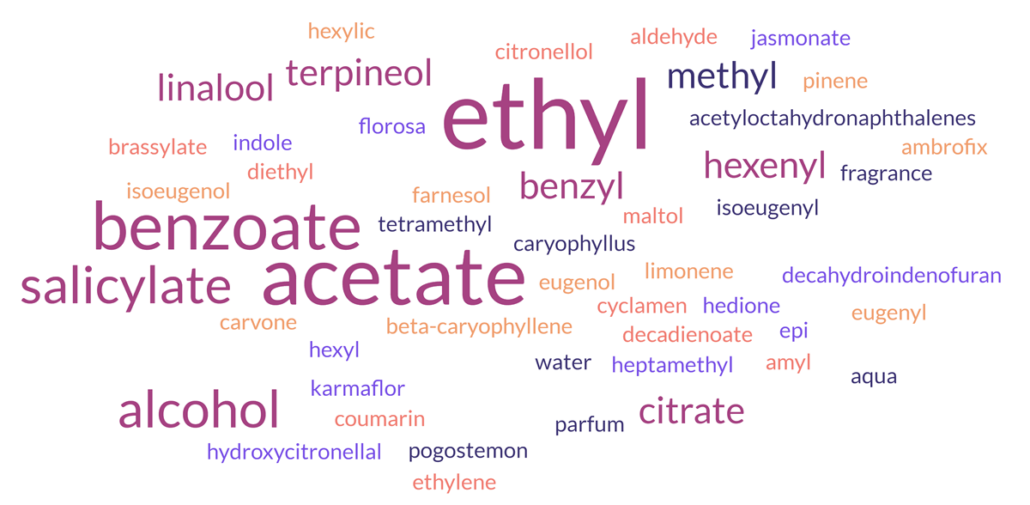
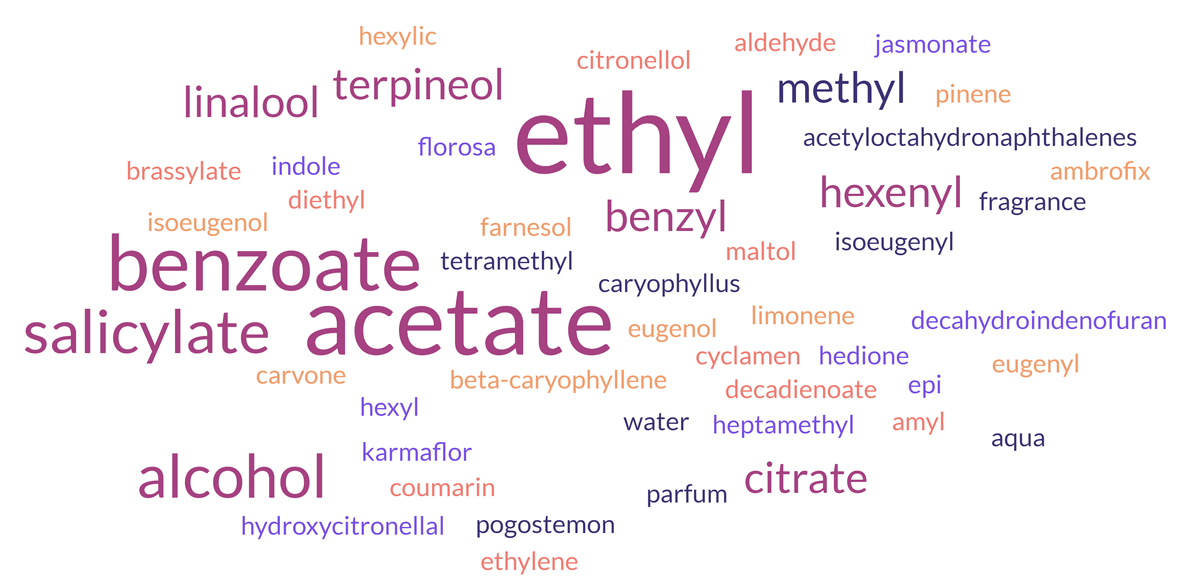
Real-world synthetic perfume label
In recent years, natural perfumes have gained immense popularity due to growing consumer demand for products perceived as healthier and more environmentally friendly. However, a quick glance at the ingredient lists of many natural perfumes often reveals a surprising fact: the presence of chemical names. This raises the question: Why are there chemical names in natural perfumes? In this article, we will examine the reasons behind this phenomenon, the science and regulation of fragrance ingredients, the nature of chemicals in natural substances, and the implications for consumers.
Understanding Natural Perfumes
Natural perfumes are generally composed of essential oils, absolutes, resins, and other natural extracts. These ingredients are sourced from plants, flowers, fruits, and animal products, and are produced in accordance with strict guidelines to ensure they are free of synthetic additives.
The Definition of Natural
The term “natural” can be somewhat misleading, as there is no single universally accepted definition within the fragrance industry. Generally, a natural perfume is expected to contain ingredients that are:
- Derived from Natural Sources: Ingredients are extracted from plants, flowers, and, in some cases, animals.
- Free from Synthetic Compounds: No artificial substances are added during the manufacturing process.
- Processed Using Natural Methods: Techniques such as steam distillation, cold pressing, and solvent extraction are commonly employed. The extraction methods for these ingredients are typically minimal and designed to preserve their natural integrity.
Despite these guidelines, the complexity of natural ingredients often requires chemical nomenclature.
The Chemistry of Natural Ingredients
Chemical Constituents of Natural Extracts
Natural extracts are composed of numerous chemical compounds. For instance, lavender oil contains linalool, linalyl acetate, cineole, and camphor, among other constituents. Each of these chemicals contributes to the oil’s overall therapeutic properties and fragrance. The presence of these chemicals is a natural occurrence, as they are intrinsic components of the plant materials from which the oils are derived.
The Role of Chemical Names
The use of chemical names in labeling natural perfumes serves several purposes:
- Transparency and Safety: Identifying individual chemical constituents helps to inform consumers about what is contained in the product. It also allows the identification of potential allergens and ensures safe use.
- Regulatory Compliance: To protect consumer health, regulatory bodies such as the International Fragrance Association (IFRA) and the European Union (EU) require detailed disclosure of all ingredients, including naturally occurring chemicals.
- Scientific Accuracy: Chemical names provide a precise and universally recognized method for identifying substances, avoiding the ambiguities that can arise from common names.
The Perception of Chemicals
Natural vs. Synthetic Chemicals
The term “chemical” often carries a negative connotation, particularly regarding personal care products. However, it is essential to understand that chemicals are not inherently harmful. Both natural and synthetic substances consist of chemicals. The distinction lies in their origin and processing.
- Natural Chemicals: These are derived directly from natural sources with minimal processing. Examples include essential oils and plant extracts.
- Synthetic Chemicals: on the other hand, are man-made substances. They are produced through chemical synthesis and may mimic the molecular structure of natural compounds or be entirely novel compounds that do not exist in nature.
Consumer Education
Educating consumers about the nature of chemicals in natural perfumes is crucial. Many fears stem from a lack of understanding. By providing clear, accurate information, brands can dispel myths and build trust.
The Benefits of Natural Perfumes
Despite the presence of chemical names, natural perfumes offer several advantages:
- Health Benefits: Natural ingredients usually have therapeutic properties. For example, lavender oil is known for its calming effects, while peppermint oil can invigorate and refresh.
- Eco-Friendliness: Natural perfumes typically have a lower environmental impact compared to synthetic alternatives. They are often biodegradable and sourced from renewable resources.
- Unique Fragrance Profiles: Natural perfumes can offer complex and unique scent profiles that are nearly impossible to replicate with synthetic ingredients alone.
Sources and Extraction Methods
Natural Chemicals
Natural chemicals are sourced from various plant parts and, in some cases, from animals. The primary methods of extraction include:
-
Steam Distillation: One of the most common methods for extracting essential oils. Plant materials are subjected to steam, which causes the release of essential oils that are then condensed and collected.
-
Cold Pressing: Often used for citrus oils, this method involves mechanically pressing the plant material to release oils.
-
Solvent Extraction: Used for delicate flowers, this method uses a solvent to dissolve essential oils, which are then separated and purified.
-
CO2 Extraction: A modern technique that uses carbon dioxide under high pressure to extract oils. This method uses supercritical CO2, in which CO2 is at specific temperatures and pressures, allowing it to behave as a fluid with both gaseous and liquid properties.
-
Natural isolates are obtained through various separation and purification techniques such as fractional distillation, crystallization, chromatography, or other refining methods applied to essential oils or plant extracts.
Natural isolates are controversial because they are lately produced through genetically engineered yeast or bacteria (biofermentation/biosynthesis) from undisclosed raw materials. These processes can create molecules identical to natural ones, but through biotechnology. Nevertheless, the industry certifies them as natural and organic.
La Via del Profumo does not support this method. A natural product should come from nature, not biotechnology!
These methods are designed to retain the natural composition and beneficial properties of the source material.
Synthetic Chemicals
Synthetic chemicals are produced in laboratories through various chemical reactions. These processes can include:
-
Chemical Synthesis: Combining different chemicals in a controlled environment to create a new compound.
-
Fermentation: Using microorganisms to produce chemical compounds.
-
Chemical Modification: Altering natural molecules to enhance certain properties or to create entirely new compounds.
Synthetic production allows precise control over chemical consistency, which is essential in industry because it is unacceptable for the scent to vary with the characteristics of each year’s harvest.
Advantages and Disadvantages
Natural Chemicals
Advantages:
- Holistic Benefits: Natural extracts often contain a complex mix of compounds that work synergistically to provide therapeutic benefits.
- Eco-Friendliness: Generally, natural extraction processes are less environmentally harmful than synthetic production.
- Safer and healthier.
Disadvantages:
- Variability: Natural extracts can vary significantly in composition depending on factors like the source plant, harvest time, and extraction method.
- Sustainability: Overharvesting of certain plants can lead to environmental degradation and threaten biodiversity.
- Allergenicity: Some well-known natural products can contain allergens that may cause reactions in sensitive individuals.
Synthetic Chemicals
Advantages:
- Consistency: Synthetic chemicals can be produced with high consistency, ensuring uniformity in the final product.
- Scalability: Synthetic production can be scaled up to meet great demands without depleting natural resources.
- Innovation: The ability to create new compounds opens the door to innovative fragrances.
Disadvantages:
- Perceived Risks: Consumers often view synthetic chemicals with suspicion, associating them with health risks.
- Environmental Impact: The production and disposal of synthetic chemicals can have significant environmental impacts, including pollution and non-biodegradability.
- Lack of Complexity: Synthetic fragrances lack the complexity and depth of natural scents, which are composed of numerous interacting compounds.
- Allergenicity: Many synthetic chemicals contain allergens that may cause reactions in sensitive individuals.
Implications for Consumers
Understanding the differences between natural and synthetic chemicals can help consumers make more informed choices. Both types of chemicals have their place in the fragrance industry, and the choice between them depends on factors such as personal preferences, health considerations, and environmental concerns.
Examples of Natural Chemicals
Let’s explore some common natural chemicals found in everyday products and understand why they might have unfamiliar names.
Linalool
Linalool is a naturally occurring terpene alcohol found in over 200 species of plants, particularly in the Lavender and Citrus families.
- Source: Lavender (Lavandula angustifolia), Sweet Basil (Ocimum basilicum), and Orange (Citrus sinensis).
- Uses: Linalool is used for its pleasant floral scent and is a common ingredient in perfumes and aromatherapy products. It also has calming and anti-anxiety properties.
- Chemical Name: 3,7-dimethyl-1,6-octadien-3-ol. The name reflects its chemical structure, indicating the arrangement of carbon, hydrogen, and oxygen atoms.
Eugenol
Eugenol is a phenylpropene, a type of phenol found in essential oils of certain plants, most notably in cloves.
- Source: Clove oil (Syzygium aromaticum), Cinnamon (Cinnamomum verum), and Bay leaves (Laurus nobilis).
- Uses: It has a warm, spicy scent and is used in perfumes, flavorings, and dental products for its antiseptic and analgesic properties.
- Chemical Name: 4-allyl-2-methoxyphenol. The name describes the molecule’s structure, including an allyl group and a methoxy group attached to a phenol ring.
Citral
Citral is a key component of the essential oils of several plants, providing a strong lemon scent.
- Source: Lemongrass (Cymbopogon citratus), Lemon myrtle (Backhousia citriodora), and Lemon (Citrus limon).
- Uses: Widely used in the fragrance industry to impart a citrus aroma and as a flavoring agent in food and beverages.
- Chemical Name: 3,7-dimethyl-2,6-octadienal. This name indicates the presence of aldehyde groups in the structure, as well as the positions of the methyl groups.
Menthol
Menthol is a cyclic terpene alcohol known for its minty aroma and cooling sensation.
- Source: Peppermint (Mentha piperita), Spearmint (Mentha spicata).
- Uses: Menthol is used in products such as toothpaste, mouthwash, balms, and medicinal products for its cooling and soothing effects.
- Chemical Name: (1R,2S,5R)-2-isopropyl-5-methylcyclohexanol. The complex name provides detailed information about the molecule’s specific three-dimensional structure.
So, why do Naturals Have Strange Chemical Names?
Everything is made of chemicals. When you extract oil from roses, lavender, or citrus peels, you’re getting specific molecules. These molecules have defined chemical structures, so chemists give them names systematically. For example:
- Rose scent contains phenylethyl alcohol and citronellol
- Ylang-ylang scent contains Germacrene D, which provides floral notes, along with Linalool and geraniol that impart floral sweetness.
- Jasmine scent contains indole, which, in small amounts, imparts floral depth; benzyl acetate, which provides sweet, fruity notes; and Linalool, which imparts a delicate floral note.
These aren’t synthetic – they’re the actual compounds inside the plant.
Why do the systematic names sound “unnatural”? Chemical nomenclature follows rules based on molecular structure (number of carbons, functional groups, bonds, etc.). A molecule like geraniol gets its name from its structure, not from where it comes from. The same geraniol molecule exists in roses, geraniums, and lemongrass – nature uses the same building blocks repeatedly.
Even if something is steam-distilled from flowers, it is listed by its chemical constituents. The irony is that “chemical-sounding” names often indicate you’re getting actual natural extracts broken down to their molecular components. On the contrary, vague terms like “parfum” or “fragrance” can conceal what’s really inside!
The scientific naming of chemicals, whether natural or synthetic, follows the guidelines set by the International Union of Pure and Applied Chemistry (IUPAC). This ensures each compound is named to describe its molecular structure accurately. Here are the key reasons why natural chemicals have complex names:
- Precision and Clarity: Chemical names provide precise information about the molecular structure, including the types and positions of atoms and functional groups. This precision is crucial for scientific communication and regulatory purposes.
- Universal Standards: Using standardized chemical names allows scientists and industry professionals worldwide to understand exactly what compound is being referred to, regardless of language or common names.
- Allergen Identification: Many natural chemicals can be allergens. Listing them by their chemical names helps consumers identify and avoid substances to which they may be allergic.
How to distinguish chemical names of natural origin from those of synthetic origin
That’s the tricky part – you often can’t distinguish them just by the chemical name alone!
Here’s why: The same molecule = the same name. Whether the vanillin molecule comes from vanilla beans or is synthesized in a lab, it’s the exact same molecule with the exact same name: vanillin. Chemically, they’re identical 1.
However, there are some clues on ingredient lists.
Indicators it might be natural:
- “Essential oil” or botanical name – “Lavandula angustifolia (lavender) oil” followed by its chemical components
- Multiple related compounds – Natural extracts contain dozens of molecules together (linalool + linalyl acetate + camphor + terpineol…), while synthetic versions often isolate just one
- “Extract,” “oil,” “absolute,” “distillate” – These terms suggest plant origin
Indicators it might be synthetic:
- Single isolated compound – Just “linalool” by itself, without other co-occurring natural molecules
- Very high purity – Natural extracts are complex mixtures
- Economically impractical natural source – If natural extraction would be extremely expensive, it’s likely synthetic
Dead giveaway for synthetic:
- Molecules that don’t exist in nature, like Iso E Super, Calone, or Hedione
The reality: Regulatory labels don’t distinguish between natural and synthetic sources of the same chemical. Both must list “limonene” whether it’s from lemon peels or a chemical plant. This is why “natural” perfumes often say so explicitly on the label!
Conclusion
The presence of chemical names in natural perfumes reflects the complex and multifaceted nature of natural ingredients. These names provide transparency, ensure regulatory compliance, and contribute to consumer safety. Understanding that natural products are composed of various chemicals, just like their synthetic counterparts, can help demystify ingredient lists and foster informed choices. Embracing the science behind natural perfumes allows consumers to appreciate the art and complexity involved in crafting these exquisite fragrances.
SEE ALSO
La Via del Profumo Ethical Ingredient List
A New Ethical Standard Towards Perfume Consumers – The ECLIP List – Fragrantica interview with AbdesSalaam Attar
NOTE
- The “Right-Handed” vs “Left-Handed” Molecule Mystery
Why natural and synthetic ingredients smell different even though they have the same chemical name?
Mirror Image Molecules
Some molecules exist in two versions that are mirror images of each other – like your left and right hands. They’re called the same thing, but they’re not identical. Scientists call this chirality.
Think of it like a glove: a left-hand glove and right-hand glove have the same shape, but they’re mirror images and fit differently on your hand.
Why Your Nose Cares
Our smell receptors are shaped in specific 3D ways – they’re “chiral” too. So a right-handed molecule might fit perfectly and smell amazing, while its left-handed twin fits differently and smells… completely different!
Real Examples:
- Limonene from oranges (right-handed version) smells citrusy and sweet
- Limonene from pine trees (left-handed version) smells more like turpentine and lemon
- Carvone from spearmint smells minty and fresh
- Carvone from caraway seeds (its mirror image) smells spicy and herbal
Same chemical name, opposite “handedness,” totally different smell!
The Natural vs Synthetic Difference
Here’s where it gets interesting:
- Plants are picky – they usually make just ONE version (one “hand”). Orange trees make right-handed limonene consistently.
- Chemical labs aren’t picky – synthetic production often creates a 50/50 mix of both left and right-handed versions (unless they specifically try to make just one).
What This Means for Your Nose
A natural orange essential oil contains pure right-handed limonene, which is why it smells authentically “orange.”
A cheap synthetic limonene might be half right-handed (orange smell) and half left-handed (pine smell) – so it smells… off. Not quite right. Less authentic.
The Bottom Line
Even when the ingredient label lists the same chemical name, natural sources often contain the “correct-handed” version that smells true-to-nature. In contrast, synthetic versions might be a confusing mixture of both mirror images.
This is one reason why natural perfumers can often tell the difference between natural and synthetic ingredients – even when chemistry says they’re “the same”!










Leave a Reply
Want to join the discussion?Feel free to contribute!